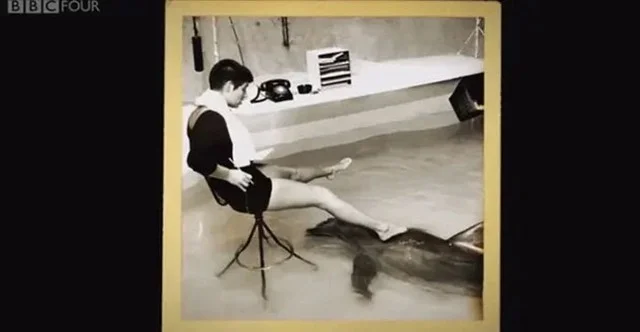
In the 1960s, NASA funded an extraordinary experiment to teach a dolphin named Peter to mimic human speech, hoping to unlock insights into communicating with extraterrestrial life, per BBC News (May 7, 2014). Conducted at the Dolphin House in the U.S. Virgin Islands, the project paired 6-year-old Peter with 23-year-old assistant Margaret Howe for 10 weeks of immersive interaction. What began as a scientific endeavor evolved into a profound and controversial bond, with Peter displaying human-like emotions, including love and jealousy, per The Guardian (June 10, 2014). The experiment’s tragic end and ethical debates still resonate today. Share this on X and join the discussion: what does Peter’s story reveal about animal emotions and scientific ethics?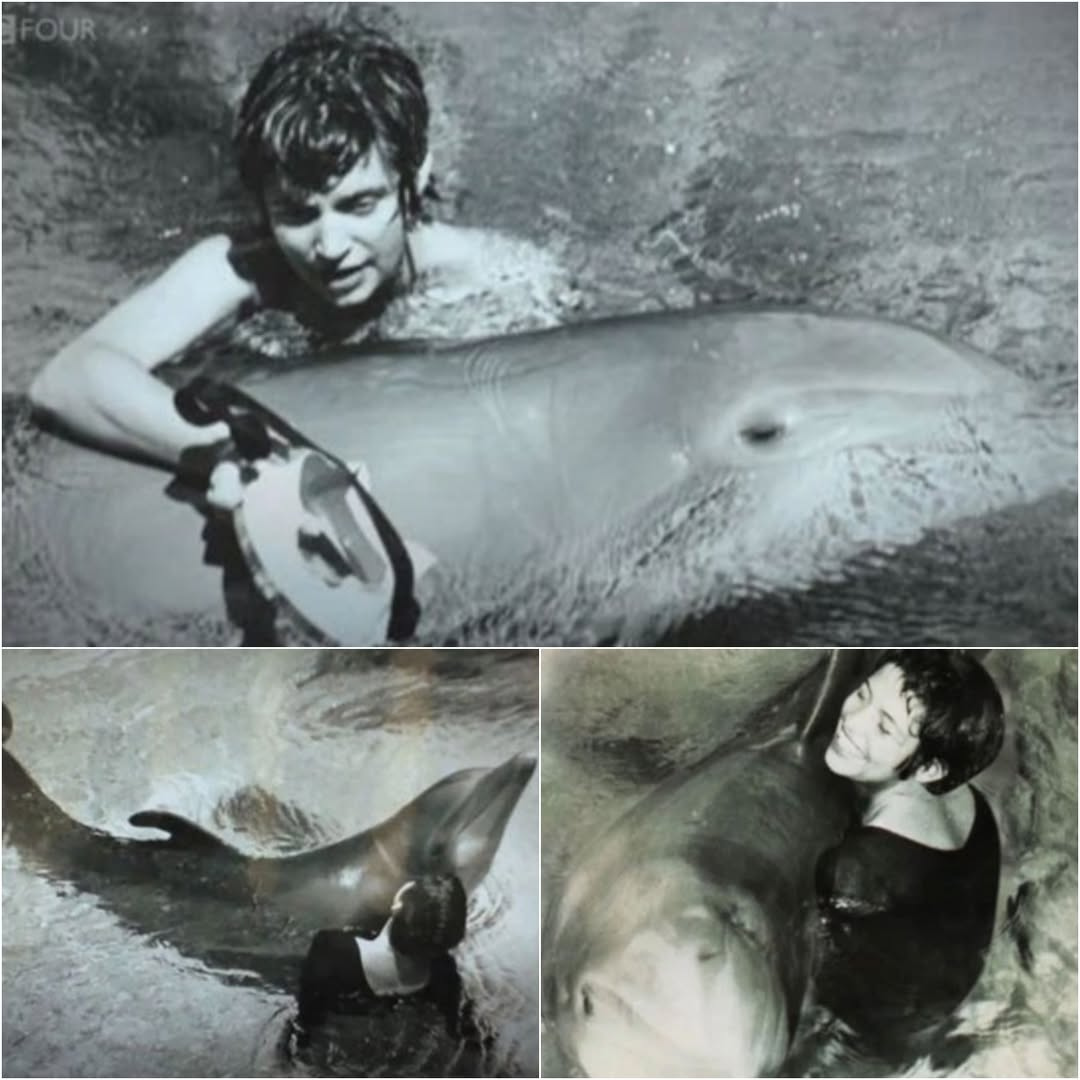
The Experiment’s Design: A Bold Leap in Communication
In 1965, NASA collaborated with neuroscientist John C. Lilly to explore whether dolphins, with their large brains and social intelligence, could learn human speech, a potential model for extraterrestrial communication, per Smithsonian Magazine (July 12, 2014). The Dolphin House, a flooded facility in St. Thomas, was built to immerse Peter, a bottlenose dolphin, and Margaret Howe in a shared living environment. For 10 weeks, Howe lived with Peter, teaching him to mimic sounds like “hello” and “ball” while eating, playing, and sleeping in the facility, per BBC News (May 7, 2014). The setup aimed to foster a deep human-animal bond to facilitate learning, with Peter exposed to English lessons daily, per The Atlantic (Aug. 15, 2014).
Peter showed remarkable progress, vocalizing the word “ball” most clearly and mimicking other sounds, demonstrating dolphins’ vocal plasticity, per Live Science (July 10, 2014). The experiment drew on the hypothesis that dolphins’ complex vocalizations (clicks, whistles) could adapt to human phonetics, per Scientific American (June 20, 2014). However, the project’s $500,000 budget, equivalent to $4.5 million today, relied on NASA’s speculative interest in interspecies communication, per The Verge (July 11, 2014). @ScienceDaily on X (July 10, 2025) noted, “NASA’s dolphin experiment was wild—could animals really bridge the gap to alien communication?” The scientific goal was ambitious, but the emotional dynamics that emerged were unforeseen.
After four weeks, Peter began exhibiting behaviors beyond scientific expectations, showing affection toward Howe through physical gestures like nuzzling and rubbing, typical of male dolphin courtship, per BBC News (May 7, 2014). Howe, in a 2014 BBC interview, described the relationship evolving from obligation to genuine connection: “I missed Peter when I wasn’t with him.” She noted Peter’s jealousy when she interacted with others, ignoring female dolphins in the facility, per The Guardian (June 10, 2014). These behaviors suggested a deep emotional attachment, with Peter’s actions mirroring human romantic fixation, per Psychology Today (July 15, 2014).